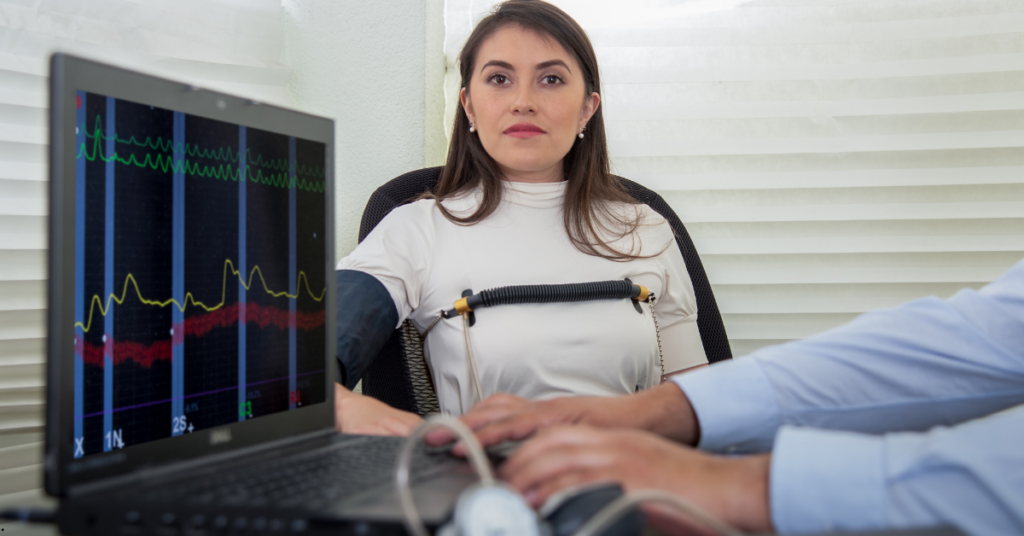
When an investigation requires answers to important questions, specialised lie detection techniques can provide an additional investigative tool. At Uphando Forensic & HR Services, two methods used are polygraph testing and voice-stress analysis.
A polygraph examination records a range of physiological responses while an individual answers questions. Modern computerised systems typically monitor indicators such as heart rate and blood pressure, respiration and changes in skin conductivity. These measurements can help an examiner assess physiological reactions occurring during the examination.
Voice-stress analysis takes a different approach. Rather than monitoring physical responses, the technology attempts to identify stress-related changes within a person’s voice while they respond to questions. It is important to recognise that voice-stress analysis remains scientifically controversial and is generally regarded as a pseudoscientific approach to detecting deception.
The choice between different investigative techniques depends on the circumstances of each case. Voice-stress analysis may allow an investigator greater flexibility when questioning an individual, while polygraph examinations generally follow more structured questioning procedures.
Lie detection should therefore be viewed as one component within a broader investigative process rather than as a standalone determination of truth or deception. Proper procedures, skilled examination and careful consideration of the circumstances are essential when using these techniques.